How Alcohol Affects Your Metabolism After 40
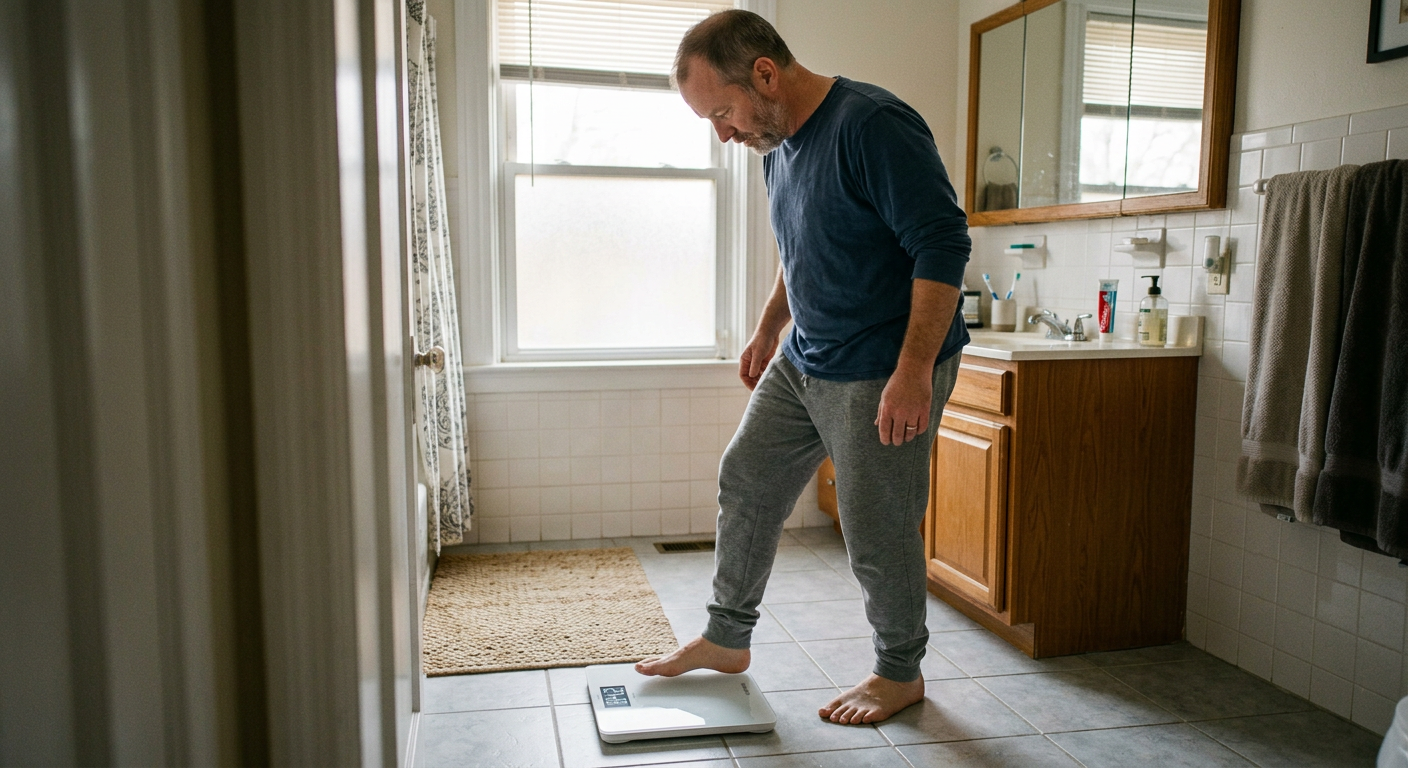
When I hit my late forties, I noticed something that frustrated me to no end: I was eating the same way I'd always eaten, exercising the same amount, and yet the scale kept creeping up. Slowly, steadily, a pound or two every few months — all of it concentrating around my midsection.
Like most guys, I blamed "slowing metabolism" and figured it was just what happens when you get older. And there's truth to that — your basal metabolic rate does decline with age. But what I didn't realize was that my nightly drinking habit was playing a much bigger role than the calories in those glasses of wine.
It's Not Just About the Calories
The standard narrative around alcohol and weight is simple: alcohol has empty calories (about 7 calories per gram), so drinking adds to your daily caloric intake, and that makes you gain weight. That's true, but it's only a small part of the story.
Two glasses of red wine contain roughly 250-300 calories. Over the course of a week, that's about 1,750-2,100 extra calories — enough to account for maybe half a pound of weight gain per week if none of it is burned. But the metabolic impact of alcohol goes far deeper than calorie counting.
How Alcohol Hijacks Your Metabolism
When you drink alcohol, your body treats it as a priority toxin. Your liver drops whatever else it's doing — including fat metabolism — and focuses on breaking down the alcohol first. This has several cascading effects:
- Fat burning stops: Research published in the American Journal of Clinical Nutrition found that alcohol consumption reduces whole-body fat oxidation (fat burning) by approximately 73%. That means for several hours after drinking, your body is essentially not burning fat at all — it's storing it.
- Lipogenesis increases: While your liver is processing alcohol, a portion of it is converted directly into fatty acids through a process called de novo lipogenesis. These fats are then either stored in the liver (contributing to fatty liver) or released into the bloodstream as triglycerides.
- Insulin response is disrupted: Alcohol causes an initial insulin spike followed by a drop, creating blood sugar instability. Over time, regular drinking can contribute to insulin resistance — and insulin resistance is one of the primary drivers of weight gain and difficulty losing weight after 40.
- Testosterone decreases: Alcohol suppresses testosterone production, and testosterone is critical for maintaining muscle mass and metabolic rate. Studies show that even moderate drinking can reduce testosterone levels by 6-10%. Less testosterone means less muscle, which means fewer calories burned at rest.
The Post-40 Compounding Effect
Here's why this matters more after 40 than it did in your twenties and thirties: all of these metabolic effects are amplified by the changes already occurring in your body.
After 40, you're already experiencing:
- Natural decline in testosterone (about 1% per year after 30)
- Loss of muscle mass (3-5% per decade after 30)
- Decreased insulin sensitivity
- Reduced liver efficiency
- Slower basal metabolic rate
Alcohol doesn't just add to these trends — it accelerates them. It's not additive; it's multiplicative. A body that's already losing muscle and becoming more insulin resistant is far more vulnerable to the metabolic disruptions caused by regular drinking.
The Cortisol Connection (Again)
I've written about the cortisol-alcohol feedback loop in a previous article, but it's worth mentioning here because cortisol plays a direct role in metabolism and weight gain.
Chronically elevated cortisol — which is common in men over 40 who drink regularly — promotes visceral fat storage specifically around the midsection. It also promotes muscle breakdown and insulin resistance. So if you're drinking to de-stress but gaining belly fat and losing muscle, cortisol is likely a key part of the mechanism.
What I Changed (and What Happened)
When I cut my drinking from nightly to 2-3 times per week, I didn't change anything else. Same diet. Same exercise routine. Same sleep schedule (which actually improved as a side effect).
Over six months:
- I lost 11 pounds — nearly all of it from my midsection
- My fasting blood sugar dropped from 108 to 92
- My triglycerides dropped by 35%
- My energy levels improved dramatically, especially in the afternoon
I want to be clear: I didn't start a special diet. I didn't increase my exercise. The only variable I changed was how often and how much I drank. The metabolic improvement was almost entirely attributable to removing the alcohol-driven metabolic disruption.
Practical Takeaways
If you're a man over 40 struggling with weight that won't budge, here's what I'd suggest:
- Don't just count the calories in your drinks. The real metabolic impact of alcohol is in how it changes your body's fat-burning machinery. Those 250 calories of wine are causing far more than 250 calories of damage.
- Try a 30-day experiment. Cut alcohol entirely for one month and track your weight, energy, and waist measurement. You might be surprised by the results.
- If you drink, eat protein first. Having protein and healthy fats in your stomach before drinking can slow alcohol absorption and reduce the insulin spike.
- Prioritize muscle maintenance. Resistance training is the single best thing you can do for your metabolism after 40. It counteracts the testosterone-lowering, muscle-wasting effects of both aging and alcohol.
- Get your blood work done. Ask for fasting glucose, insulin, HbA1c, testosterone, and a lipid panel. These numbers will tell you how your metabolism is actually doing — not just how you look in the mirror.
Your metabolism isn't broken. It's just being sabotaged. And once you understand the mechanism, you can start working with your body instead of against it.